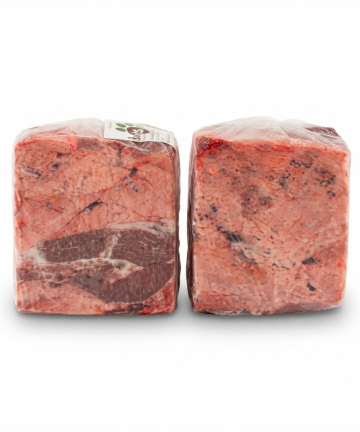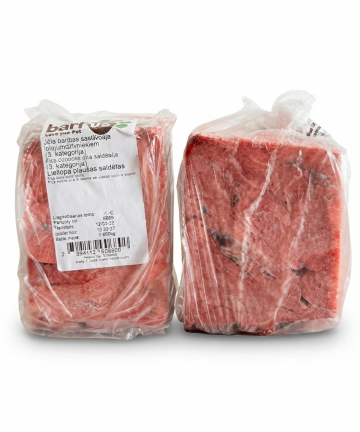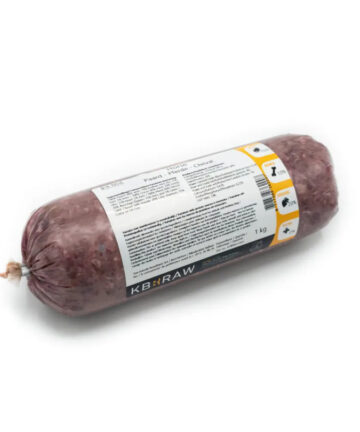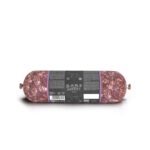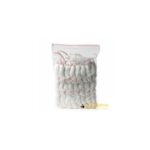

Pork liver is a rich source of protein, iron, and essential vitamins A and B. It also contains beneficial levels of copper, niacin, phosphorus, and thiamine (vitamin B1), which support overall canine health and vitality.
Why Choose Pork?
- Pork is an excellent option for dogs with food allergies, as it is less likely to trigger allergic reactions compared to chicken.
- It is highly digestible and can help manage digestive issues such as bloating, constipation, or loose stools.
- Pork provides essential amino acids that contribute to muscle development and overall health.
- It is a natural source of thiamine, which plays a crucial role in cell function, energy metabolism, and neurological health.
Feeding Guidelines
- Raw or Cooked: Pork liver can be fed raw or cooked, depending on your dog’s preference and dietary needs.
- Quality Assurance: Sourced from certified slaughterhouses, this pork liver is hormone- and antibiotic-free.
- Portion Control: Liver should typically make up about 5% of your dog’s daily raw diet. Feed in small increments to avoid nutrient imbalances.
Important Considerations
- Kidney & Uric Acid Issues: Due to its high phosphorus and purine content, consult your vet before feeding pork liver to dogs with kidney disease or uric acid stones.
- Pancreatitis: Pork liver contains fats that should be monitored; avoid feeding if your dog has active pancreatitis.
- Vitamin A & Cholesterol: Avoid overconsumption, as liver is very high in Vitamin A and cholesterol, which can lead to toxicity if fed in excessive amounts.
Analytical composition: moisture 72.4%, protein 20.0%, fat 4.75%, ash 1.97%
Storage & Feeding Instructions
- Store products in the refrigerator.
- Do not use a microwave or apply heat-treat the product (unless lightly cooking as a preference).
- Keep refrigerated and use within 48 hours (or longer, depending on your refrigerator’s temperature).
- This product is not intended for human consumption.
- Wash hands, tools, and surfaces with soap before and after handling. Always clean your pet’s food bowl after each meal.
- Store separately from human food.
- Ensure your pet always has access to fresh water.
- For a balanced diet, feed your dog at least 5 different protein sources over a 3-month period.
- An adult dog should be fed 2–4% of its body weight daily, depending on activity level; adjust individually.
- When introducing a new protein, transition gradually by slowly increasing the amount of the new food.