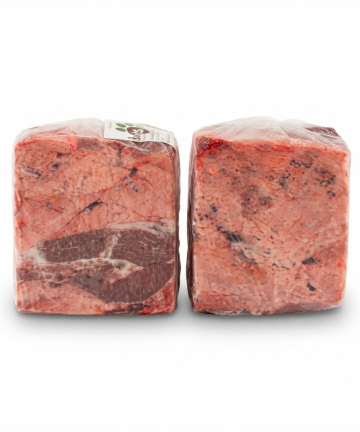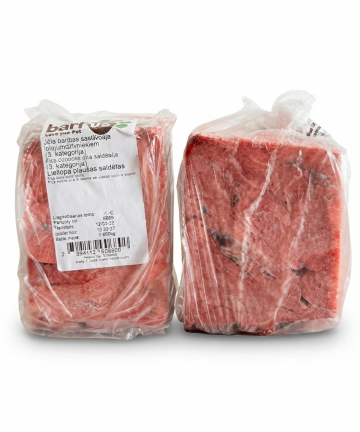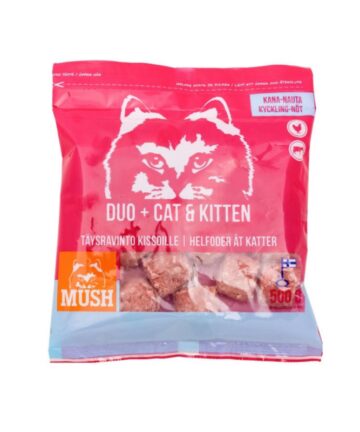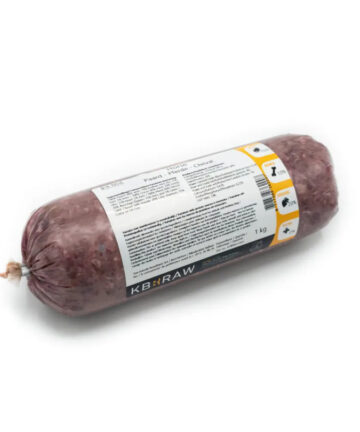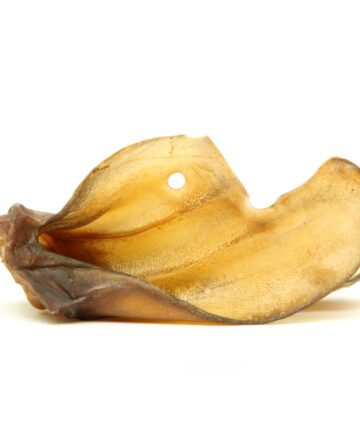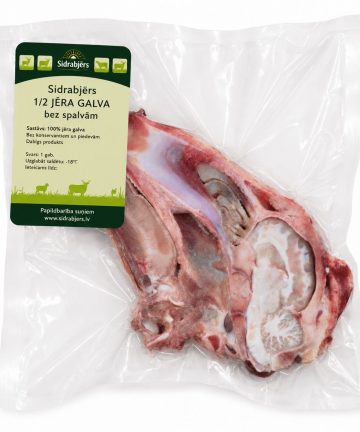


Raw Meaty Bones provide essential calcium and nutrients, while supporting dental health
Chewing helps clean teeth and gums, removing food residue and preventing tartar buildup. It also releases dopamine, promoting calmness and natural behavior. Larger bones encourage chewing, preventing choking, while minced bones are ideal for calcium intake.
Pork Tails are soft, raw meaty bones suitable for dogs of all sizes. They are rich in flavor, protein, vitamins (including B12), minerals (such as zinc, iron, and selenium), collagen, and gelatin. These nutrients support energy, immunity, joint health, and skin elasticity. Pork tails also benefit gut health and digestion.
Pork is an excellent choice for allergic dogs and is highly digestible. It’s recommended over chicken, as it’s less likely to cause intestinal upset.
Product Features
- Raw Pork Tails (frozen): hormone, parasite, and antibiotic-free (tested at certified slaughterhouses).
- Feed in small portions.
- High in fat; avoid for dogs with pancreatitis.
- Not suitable for cats unless minced.
Analytical composition: Protein: 45%, Fat: 23%, Fiber: 9%, Moisture: 69%
Feeding instructions
- Store in the freezer.
- Thaw in the refrigerator before feeding.
- Do not microwave or heat-treat the product.
- Once thawed, store in the refrigerator and use within 48 hours (or longer depending on refrigerator temperature).
- Not intended for human consumption.
- Wash hands, utensils, and surfaces with soap before and after handling; wash the pet’s bowl after each meal.
- Store separately from human food.
- Always provide fresh drinking water.
- For a balanced diet, dogs/cats should receive at least 5 different protein sources over a 3-month period.
- Adult dogs/cats should be fed 2–4% of body weight depending on activity level; adjust individually.
- Never change protein sources abruptly; introduce new food gradually.
Useful information
- Protein – biological molecules composed of one or more amino acid chains.
- Fats – all fats, including saturated and unsaturated fats, polyunsaturated and monounsaturated fatty acids.
- Ash – inorganic residue remaining after the removal of water and organic matter.
- Fiber – undifferentiated plant components.
- Moisture – natural water content of the ingredients used.