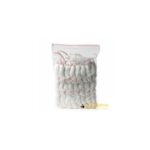


Red Deer Bones — nutritional supplement for dogs, 20kg
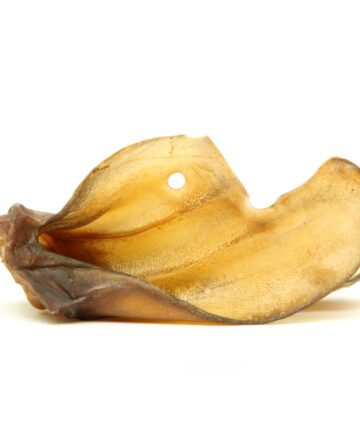
Gnawing and chewing are natural basic needs of our four-legged companions. Red deer bones for dogs are an excellent choice, providing not only a tasty and nutritious snack but also supporting muscle development and helping to maintain proper oral hygiene. A large bone acts as a natural chew toy, effectively distracting your pet from furniture, carpets, or shoes.
Safety and Myths
Is it safe to give bones to dogs? They are perfectly safe, provided they are given raw. Cooking makes bones brittle, causing them to crumble into sharp fragments that can get stuck in a pet’s throat or injure the digestive tract. It is also vital to choose an appropriate size to eliminate the risk of the bone being swallowed whole.
Benefits for Your Dog
- Oral hygiene: Regularly chewing bones helps keep teeth and gums healthy by mechanically preventing tartar and plaque formation.
- Muscle development: Chewing on large bones helps develop and strengthen jaw and neck muscles.
- Entertainment: Provides long-lasting entertainment, which helps prevent boredom and destructive behavior.
- Nutrition: Raw bones are rich in calcium, phosphorus, and collagen. The bone marrow is also an excellent source of iron, supporting blood health.
Feeding instructions
- Store in the freezer.
- Thaw in the refrigerator before feeding.
- Do not microwave or heat-treat the product.
- Once thawed, store in the refrigerator and use within 48 hours.
- Not intended for human consumption.
- Wash hands, utensils, and surfaces with soap before and after handling; wash the pet’s bowl after each meal.
- Store separately from human food.
- Always provide fresh drinking water.
- For a balanced diet, dogs should receive at least 5 different protein sources over a 3-month period.
- Adult dogs should be fed 2–4% of body weight depending on activity level; adjust individually.
- Never change protein sources abruptly; introduce new food gradually.
Useful information
- Protein – biological molecules composed of one or more amino acid chains.
- Fats – all fats, including saturated and unsaturated fats.
- Ash – inorganic residue (minerals) remaining after the removal of water and organic matter.
- Fiber – undifferentiated plant components.
- Moisture – natural water content of the ingredients used.